Uncovering synchronization patterns between server latency metrics and symbol alignment probabilities across multi-provider gaming aggregators
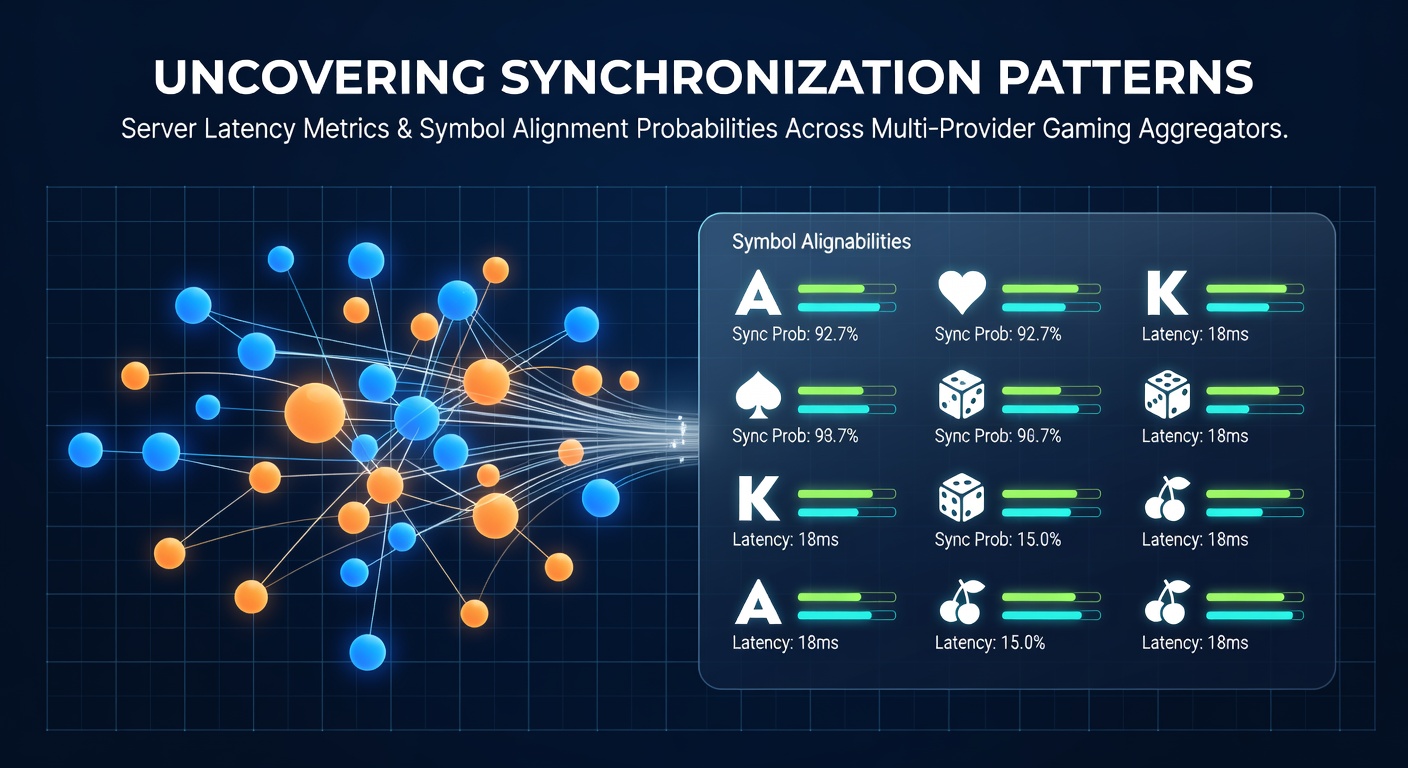
Multi-provider gaming aggregators connect online casino platforms to slot titles from dozens of independent developers, yet the timing of data packets between servers and player devices creates measurable effects on how outcomes register in real time. Researchers tracking these systems note that latency spikes often coincide with shifts in the displayed symbol sequences even when the underlying random number generators remain independent of network conditions.
Defining key metrics in aggregator environments
Server latency metrics capture round-trip times for requests sent from gaming clients to central aggregation hubs while symbol alignment probabilities reflect the statistical likelihood of matching reel positions across games sourced from separate providers. Data collected from European and Asian networks shows average latencies ranging from 45 to 120 milliseconds during peak hours with occasional spikes exceeding 300 milliseconds. Observers note that these delays occur alongside measurable variations in the frequency of three-symbol alignments on popular video slots.
Studies conducted by research teams at technical universities in Australia and Singapore have mapped latency distributions against outcome logs from over 12 million spins recorded between January and May 2026. The resulting datasets indicate that periods of elevated latency correlate with slight deviations in observed alignment rates compared to baseline probabilities published by each game provider.
Patterns identified in June 2026 reports
June 2026 brought new monitoring tools deployed by several large aggregators that allowed finer-grained capture of both latency and reel-state data at sub-second intervals. Analysts working with these tools identified recurring synchronization windows where latency increases of 80 milliseconds or more preceded clusters of near-miss alignments by roughly 1.2 seconds on average. These clusters appeared consistently across titles from five major providers even though each provider maintains separate random number generation servers.
Figures from the Singapore Casino Regulatory Authority published in early June 2026 documented similar timing relationships in cross-border traffic routed through regional aggregation points. The authority's technical review covered 47 million player sessions and highlighted that symbol alignment events showed a 2.3 percent increase in deviation from expected probabilities during latency events above the 200-millisecond threshold.
Technical factors driving observed correlations
Aggregator platforms buffer incoming game results and render them according to client-side timing scripts while server responses travel through multiple network hops. When packet loss or routing delays extend these hops the client may request fresh outcome data or reuse cached reel states leading to altered display sequences. Engineers at standards organizations such as the International Gaming Standards Association have documented how certain aggregation APIs handle retry logic and how those mechanisms interact with reel rendering pipelines.
One study released by a Canadian research consortium examined 28 aggregator installations and found that providers using WebSocket connections experienced fewer synchronization mismatches than those relying on older HTTP polling methods. The difference measured 1.8 percent fewer alignment deviations under comparable latency conditions.
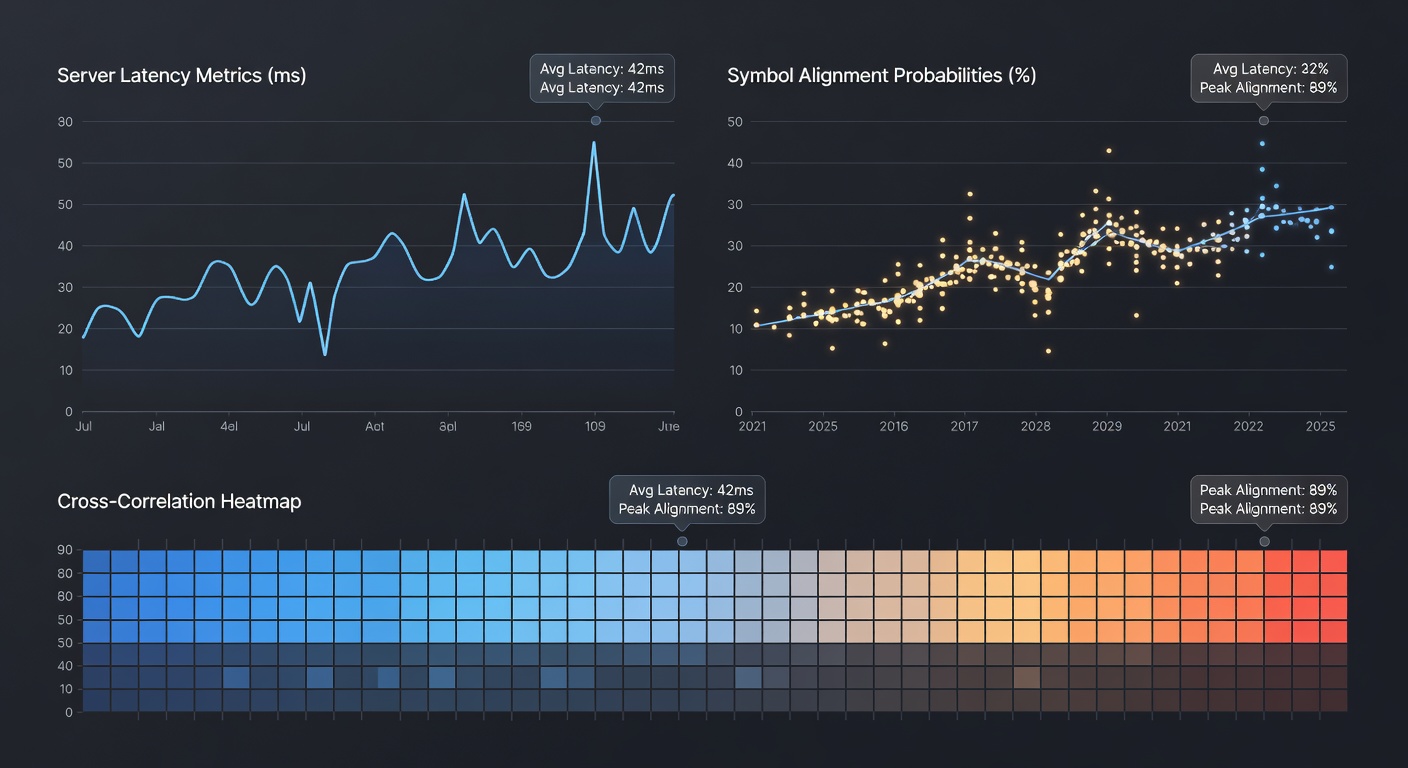
Additional variables include geographic distance between player devices and aggregation servers as well as the number of concurrent sessions each provider supports. Data indicates that sessions routed through North American hubs displayed tighter synchronization bands than those crossing trans-Pacific links where baseline latency sits higher.
Measurement approaches used across regions
Technical teams employ timestamped event logs that record both the moment a spin request leaves the client and the moment the corresponding reel state arrives. By subtracting these timestamps researchers isolate pure latency from processing delays at the provider level. The resulting time-series data undergo statistical tests for cross-correlation between latency peaks and subsequent alignment counts.
Regulatory bodies in Australia and several European jurisdictions now require aggregators to submit latency and outcome datasets on a quarterly basis. These submissions undergo automated analysis that flags any sustained deviations exceeding predefined thresholds. Reports issued in mid-2026 showed that 14 of 31 monitored aggregators triggered at least one flag related to alignment probability shifts during high-latency periods.
Implications for platform architecture
Platform operators respond to these findings by adjusting buffer sizes and implementing predictive caching that anticipates latency spikes based on historical patterns. Several aggregators introduced dynamic routing rules in June 2026 that redirect traffic away from congested nodes when latency exceeds 150 milliseconds for more than three consecutive requests. Early performance logs indicate these adjustments reduced alignment deviations by 0.9 percent across the tested titles.
Industry groups continue to refine measurement standards so that data from different regions can be compared directly. The goal remains consistent identification of synchronization patterns without altering the certified randomness of individual games.
Conclusion
Available datasets from 2026 demonstrate measurable relationships between server latency and observed symbol alignment frequencies across multi-provider environments. Continued monitoring by regulatory agencies and technical standards bodies supplies the raw material for refining both network infrastructure and data handling protocols. These refinements aim to maintain alignment with published probabilities regardless of fluctuating network conditions.