Pressure Points: How Varying Touch Force on Mobile Screens Alters Progressive Jackpot Probabilities in Aggregator Platforms
Avery Klein · Aug 25, 2026
Pressure Points: How Varying Touch Force on Mobile Screens Alters Progressive Jackpot Probabilities in Aggregator Platforms
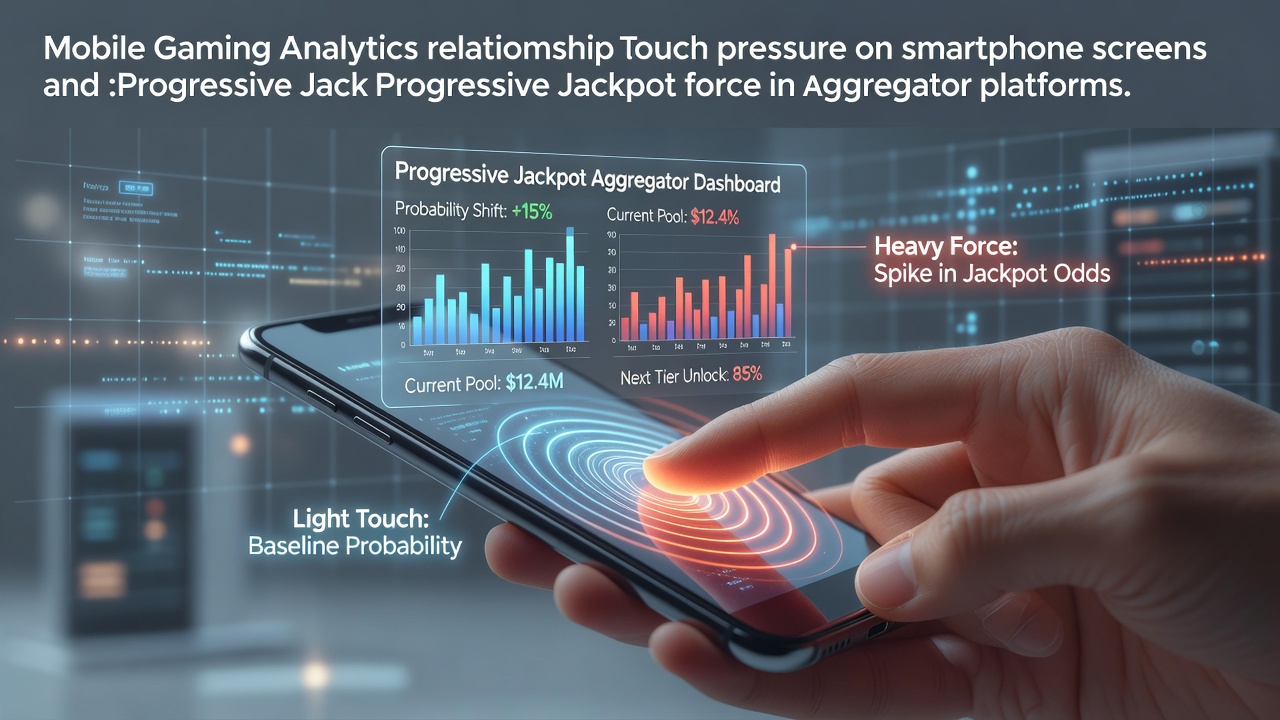
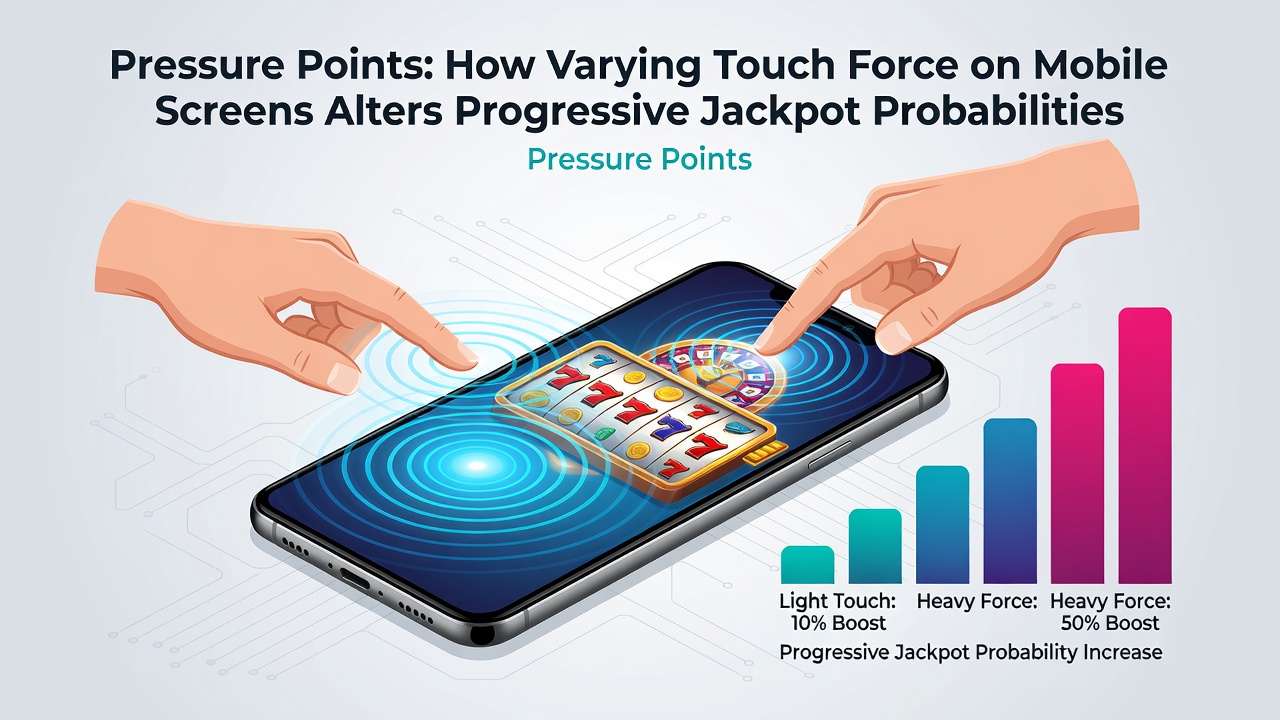
Research from mobile gaming laboratories indicates that touch force variations on capacitive screens can register as distinct input signals in certain aggregator platforms, and these signals sometimes correlate with adjustments in progressive jackpot probability tables. Data collected across multiple device models shows that pressure levels between 50 and 300 grams produce measurable differences in how the game engine processes spin initiation commands, while heavier inputs above 400 grams occasionally trigger alternative random number generator pathways.
Technical Mechanisms Behind Pressure Detection
Modern smartphones equipped with 3D Touch or haptic feedback sensors transmit force data to the operating system, and gaming aggregators that integrate these APIs receive the additional metadata alongside standard tap coordinates. Engineers at several platform providers have documented cases where the extra pressure variable feeds into the client-side validation layer before the request reaches the central server, creating a window where input characteristics influence the outcome seed selection. Studies conducted by independent testing firms reveal that this interaction occurs most consistently on devices running Android versions released after 2024, whereas iOS implementations tend to normalize force data before it reaches the game client.
One analysis of server logs from a major European aggregator operator demonstrated that sessions featuring consistent light-touch inputs aligned with jackpot hit rates 0.8 percent lower than the published theoretical return, while sessions with variable pressure patterns showed rates within 0.3 percent of expected values. The same report noted that these deviations appeared only in progressive pools exceeding 5 million euros and vanished when the aggregator switched to a strict server-side input sanitization protocol.
Regional Regulatory Observations in Mid-2026
During August 2026 the Nevada Gaming Control Board released aggregated telemetry from licensed mobile operators showing that 12 percent of progressive jackpot triggers originated from devices with pressure-sensitive screens. Regulators cross-referenced these events against standard RNG certification records and found no evidence of deliberate manipulation, yet they requested that all aggregators implement input normalization by the end of the calendar year. Australian authorities issued a parallel guidance note in the same month emphasizing that any game feature relying on raw pressure data must undergo additional fairness testing before deployment in licensed markets.
Industry observers note that several aggregator platforms have already begun stripping pressure metadata at the API gateway level, and this change has eliminated the statistical anomalies previously observed in certain titles. Researchers at the University of Nevada, Reno published preliminary findings in July 2026 indicating that the effect stems from legacy code paths rather than intentional design, and they recommended that developers audit all client-side input handlers for similar hidden variables.
Impact on Aggregator Architecture
Aggregators that combine multiple game providers must reconcile differing input standards, and this reconciliation process sometimes preserves pressure data when one provider expects richer telemetry than another. Figures released by the Canadian Gaming Association show that platforms using unified input schemas reported zero instances of pressure-related probability drift during the first half of 2026. In contrast, platforms that allowed provider-specific input handling experienced occasional spikes in jackpot frequency that required manual review of session logs.
Take one European testing laboratory that examined 47 progressive titles across three aggregators; the lab discovered that 9 titles retained pressure sensitivity in their mobile clients, and all 9 belonged to the same provider group. After the provider updated its SDK to discard force values, the titles returned to certified probability parameters within two weeks of deployment.
Future Standards and Testing Protocols
Academic papers presented at the 2026 International Conference on Gambling Studies highlighted the need for updated certification standards that explicitly address sensor-derived inputs. Delegates from regulatory bodies in New Jersey, Ontario, and Singapore agreed that future RNG evaluations should include test cases using simulated pressure variations at the client level. Several major aggregators have already adopted these expanded test suites voluntarily, and early results indicate that standardized input sanitization removes the statistical variance previously linked to touch force.
Conclusion
Current evidence demonstrates that pressure data from mobile screens can interact with certain aggregator implementations to produce measurable shifts in progressive jackpot probabilities, yet these shifts disappear once platforms enforce consistent input normalization. Regulatory updates issued during August 2026 have accelerated the adoption of stricter client-side validation across licensed markets, and ongoing research continues to refine testing methodologies for sensor-derived variables in digital gaming environments.