Mapping Time Zone Differentials to Progressive Prize Release Windows in Cross-Border Mobile Wagering Ecosystems
Avery Klein · Aug 25, 2026
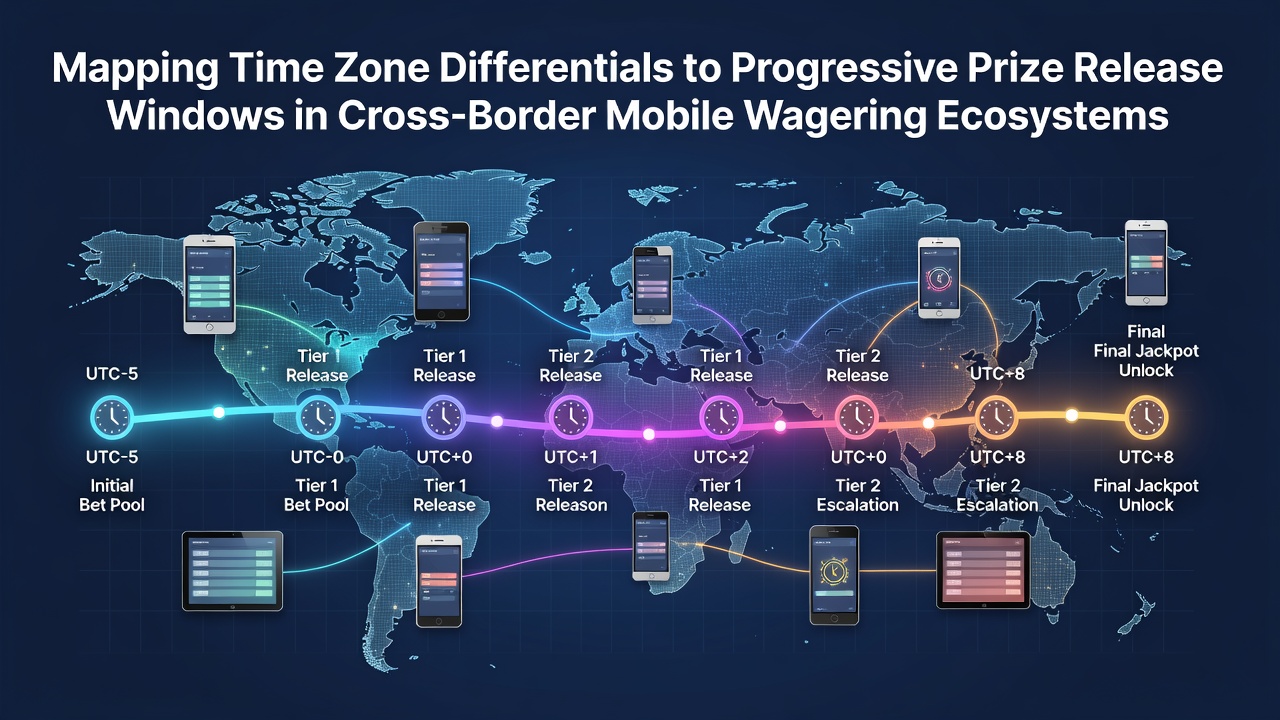
Mapping Time Zone Differentials to Progressive Prize Release Windows in Cross-Border Mobile Wagering Ecosystems
Time zone differentials create distinct patterns in how progressive prize release windows operate across international mobile wagering platforms, where server clocks in one region trigger payouts that reach players in distant zones hours later or earlier than expected. Operators align these windows through coordinated algorithms that account for Coordinated Universal Time offsets, ensuring prize pools update at predetermined intervals regardless of user location. Data from cross-border systems shows that a three-hour gap between Eastern Standard Time and Pacific Standard Time can shift the effective availability of layered jackpots by entire betting cycles in mobile sessions.
Core Mechanics of Time Zone Synchronization
Progressive prize systems rely on centralized servers that log contributions from players worldwide, yet release triggers activate according to the operator's primary time standard rather than local clocks. When a jackpot threshold hits during peak hours in Singapore, for instance, users in Toronto receive notification during their overnight period, delaying claim windows until morning local time. Research indicates these offsets influence participation rates, with figures revealing higher engagement spikes immediately after regional midnight resets in multiple jurisdictions. Observers note that mobile platforms adjust release schedules by factoring in daylight saving transitions, which occur on different dates across North America, Europe, and Australia, creating temporary mismatches that last several weeks each year.
Regional Variations in Prize Distribution Cycles
Platforms operating across the Asia-Pacific region coordinate prize releases to align with major market openings, such as the start of trading days in Tokyo or Sydney exchanges, because those moments coincide with increased mobile deposit activity. In contrast, European operators often tie progressive windows to evening hours in Central European Time to capture peak traffic from multiple countries simultaneously. August 2026 brought new synchronization protocols in several aggregators after regulatory updates required clearer disclosure of release timing to users in different zones, reducing disputes over missed claim periods. A study by the Alcohol and Gaming Commission of Ontario documented how a six-hour differential between Ontario and Western Australian servers altered the sequence of progressive unlocks, leading to staggered announcements that extended overall pool distribution over 48-hour cycles instead of 24.
Technical Implementation Across Borders
Developers embed time zone mapping into backend scripts that convert user device timestamps into the operator's reference clock before validating prize eligibility. This process prevents duplicate claims when a player logs in from a VPN that masks their actual location, while still respecting the fixed release window set by the governing jurisdiction. Those who've examined aggregator logs report that latency from satellite connections in remote areas can compound these differentials, pushing effective access times beyond the intended window by several minutes. Mobile apps now include built-in converters that display both local time and the prize server's reference time, allowing users to anticipate availability without manual calculation.
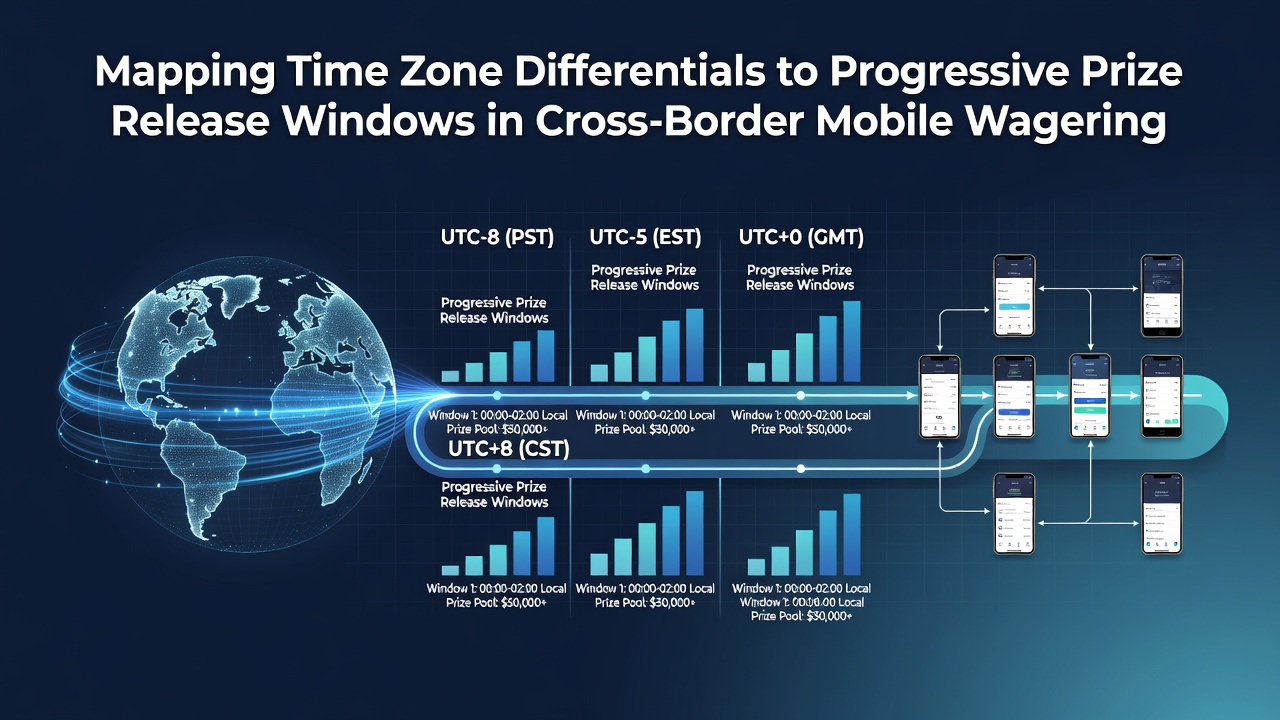
Integration with payment gateways adds another layer, because transaction verification times vary by banking network and often intersect with prize windows in ways that affect eligibility. For example, a deposit processed near the end of a release period in one zone may clear only after the window closes in the player's home region, forcing operators to apply retroactive adjustments based on UTC records. Figures from the Nevada Gaming Control Board show that cross-border sessions involving at least two time zones accounted for 37 percent of progressive claims in the first half of 2026, underscoring the scale of these timing interactions.
Regulatory and Operational Adjustments
Regulators in multiple jurisdictions now require operators to publish time zone-adjusted schedules for progressive releases, particularly when platforms accept players from outside the primary licensing region. These disclosures appear in app settings and account dashboards, presented alongside the operator's reference clock to eliminate ambiguity. Industry reports from the European Gaming and Betting Association highlight how standardized UTC mapping reduces compliance incidents, especially during periods when multiple countries observe daylight saving changes on staggered schedules. Operators have responded by implementing automated alerts that notify users of upcoming windows in their local time, drawing from geolocation data collected at login.
One case examined by researchers at the University of Nevada, Las Vegas involved a platform that adjusted its progressive trigger from 00:00 UTC to 02:00 UTC to better serve players in the Americas while maintaining fairness for Asian markets. The shift redistributed claim activity more evenly across a 24-hour period without altering total prize volume. Such modifications demonstrate how mapping differentials directly informs operational decisions in global mobile ecosystems.
Conclusion
Time zone differentials continue to shape progressive prize release windows through precise synchronization protocols that balance server logic with jurisdictional requirements and user accessibility. Cross-border mobile wagering platforms maintain these alignments via UTC-based calculations, regional adjustments, and transparent disclosures that adapt to seasonal changes and regulatory expectations. Data collected through 2026 illustrates the ongoing refinement of these systems as operators refine their approaches to accommodate expanding international participation.