Loyalty Tier Unlocks: Aligning Payment Channels with Progressive Prize Access in Live Mobile Sessions
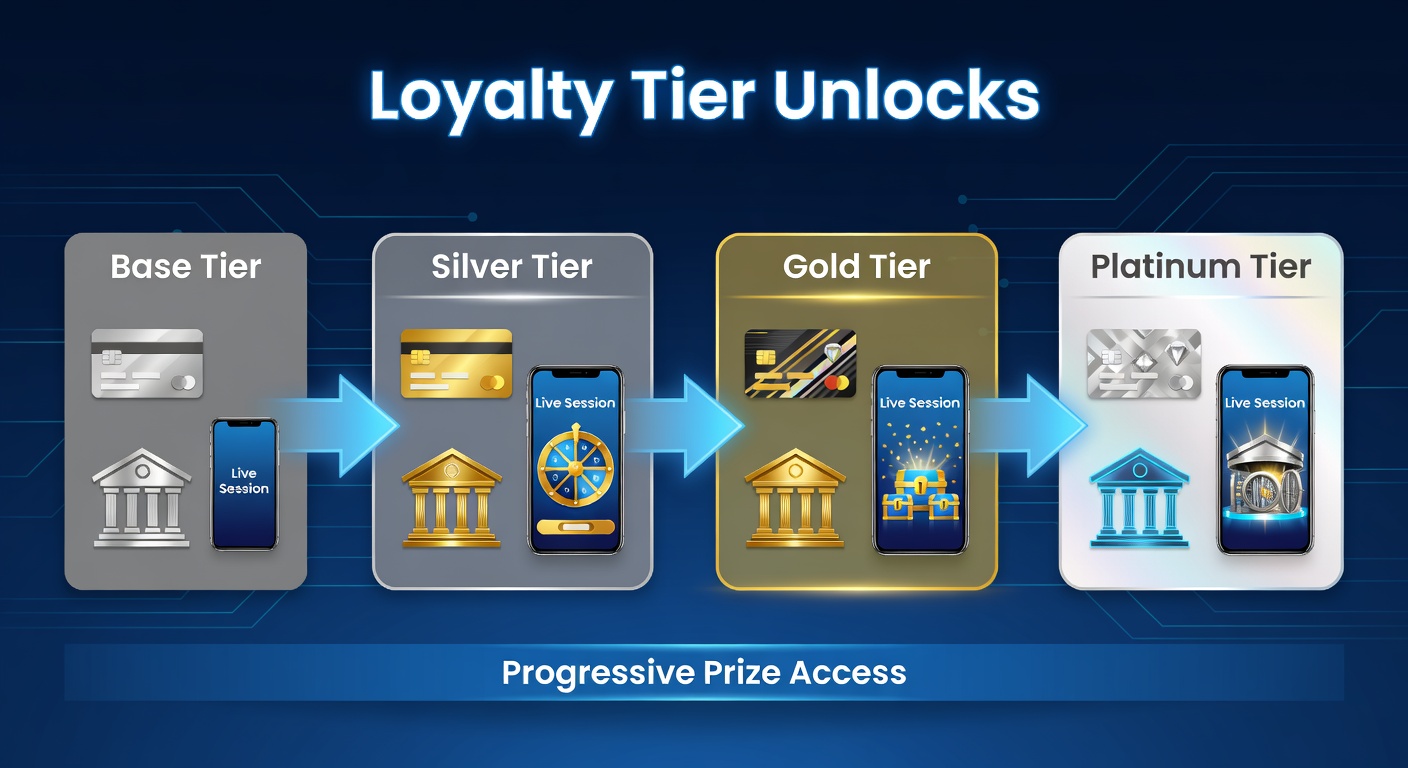
Loyalty programs in mobile gaming platforms connect payment methods directly to tiered reward systems that control access to progressive prizes during live sessions, and operators structure these alignments so that deposit channels determine eligibility speed for higher reward brackets. Payment options such as credit cards, digital wallets, and bank transfers each carry distinct processing characteristics that influence how quickly users advance through loyalty levels and unlock escalating prize pools in real-time dealer environments.
Payment Channel Mechanics in Mobile Loyalty Frameworks
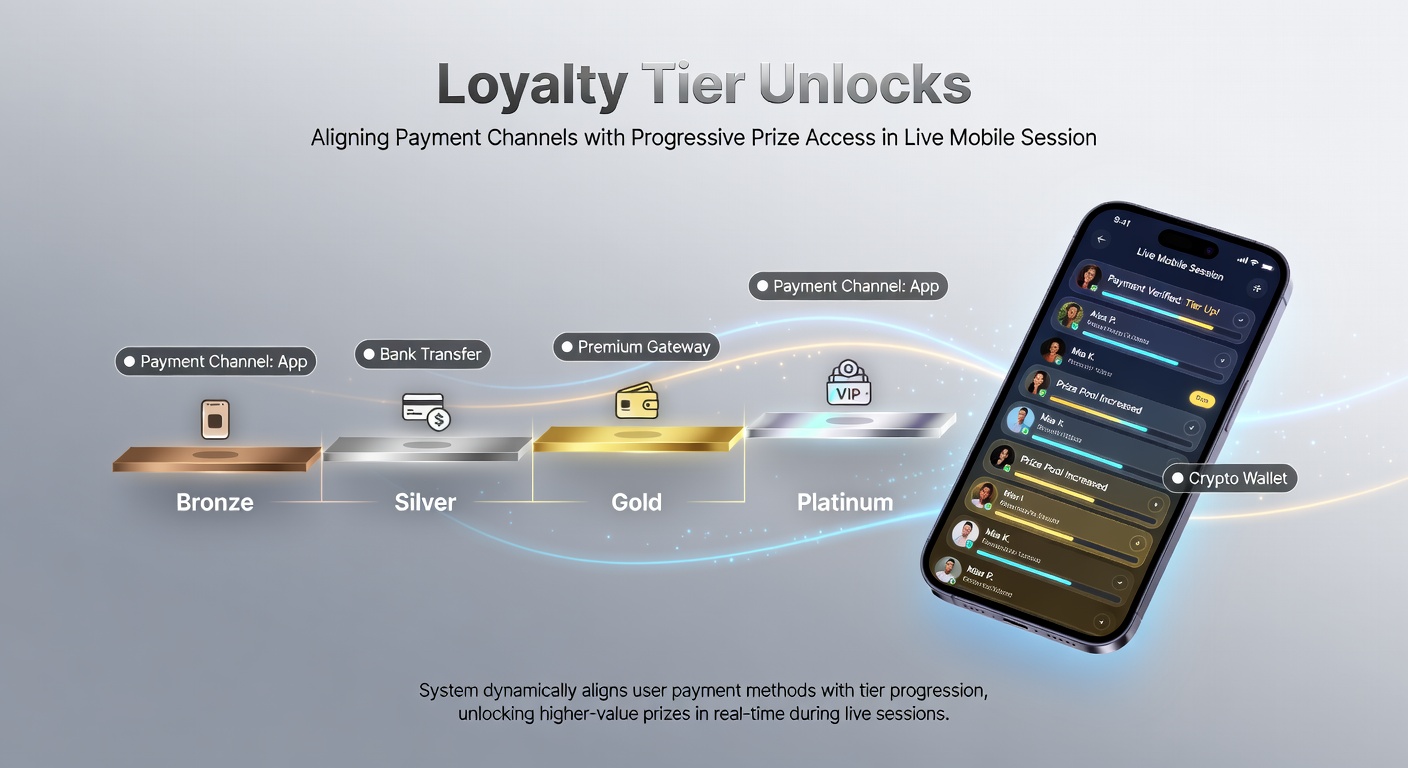
Operators categorize payment channels by transaction speed, verification requirements, and fee structures, which in turn map onto loyalty progression timelines. Instant methods like certain e-wallets often route users into accelerated tier qualification because settlement occurs within seconds, allowing immediate contribution to loyalty points that gate progressive prize entry. Slower options such as bank transfers require additional confirmation windows, delaying the same point accumulation until funds clear and the system registers the activity.
Data from platform analytics in early 2026 showed that users selecting verified digital wallets reached mid-tier status 40 percent faster on average than those relying on traditional card processing, according to internal metrics shared across multiple operators. These differences arise because platforms assign weighted values to each channel based on risk profiles and regulatory compliance overhead.
Progressive Prize Structures and Tier Gates
Progressive prizes in live mobile sessions build through pooled contributions that increase across multiple tables or game instances, yet access remains restricted until a player meets the corresponding loyalty tier threshold. Lower tiers typically permit entry into base progressive pools while mid and upper tiers open pathways to larger, multi-jurisdictional jackpots that accumulate across live dealer networks. Alignment occurs when the chosen payment channel satisfies both the deposit minimum and the identity verification level required for that tier.
One documented case involved a platform that adjusted its rules in March 2026 so that bank transfer deposits automatically qualified for tier-two status after a single cleared transaction, whereas card-based deposits needed three separate activities before the same gate opened. This change reflected updated risk modeling rather than any shift in player preference.
Regional Regulatory Influences on Channel-Tier Mapping
Regulatory frameworks shape how platforms link payments to loyalty unlocks, particularly in jurisdictions that mandate transaction logging and responsible gaming controls. The Pennsylvania Gaming Control Board requires operators to maintain auditable records connecting deposit sources to reward eligibility, which forces explicit mapping between channels and tier benefits. Similar requirements appear in Canadian provincial systems where loyalty mechanics must demonstrate transparency around progressive prize distribution.
By May 2026 several North American platforms had implemented automated systems that flag channel-specific delays and adjust tier progression accordingly to stay within compliance windows. These adjustments prevent situations where a payment method's processing lag inadvertently blocks access to time-sensitive live progressive events.
Technical Integration of Live Session Data
Live mobile sessions transmit real-time data streams that platforms correlate with loyalty ledgers and payment histories. When a user completes a deposit through an approved channel, the system updates tier status within the same session window, enabling immediate participation in progressive prize rounds if the threshold is met. Latency between payment confirmation and tier update can range from under ten seconds for optimized e-wallet routes to several minutes for manual review channels.
Industry reports indicate that synchronization failures most often occur when a payment channel requires additional anti-money laundering checks, temporarily suspending progressive prize eligibility until verification completes. Operators address these gaps by offering interim tier credits for verified repeat users who switch to faster channels mid-session.
Examples of Channel-Specific Unlock Patterns
Consider a scenario where a player deposits via an instant bank app integration and immediately enters a live dealer progressive blackjack table at tier three, unlocking a prize pool that grows with every participating session across the network. In contrast, the same deposit amount processed through a standard card gateway might place the player at tier two until the next billing cycle confirms the transaction, restricting access to smaller progressive brackets in the interim.
Observers note that platforms running promotions tied to specific channels, such as fee-free e-wallet deposits during May 2026 events, recorded measurable spikes in tier advancement rates during those windows. These patterns emerge because the reduced friction accelerates both deposit frequency and point accumulation needed for progressive prize gates.
Future Alignment Trends
Platform developers continue refining algorithms that predict which payment channels will produce the fastest tier progression for individual user profiles based on historical transaction data. This predictive layer allows preemptive offers that steer users toward channels already aligned with their target progressive prize access levels. Research from academic gaming studies at institutions like the University of Nevada, Las Vegas, has examined how these predictive systems affect overall session duration and prize distribution equity across different regulatory environments.
Additional integration with identity verification services further tightens the connection between payment source and tier status, reducing manual interventions that previously delayed live session participation.
Conclusion
The alignment between payment channels and loyalty tier unlocks determines the pace at which players gain access to progressive prize structures in live mobile sessions. Regulatory requirements, processing speeds, and technical synchronization each contribute to how these systems function across jurisdictions. As platforms update their frameworks through 2026, the relationship between deposit method and reward eligibility remains a central operational focus for maintaining both compliance and session continuity.