How Audio Cues Shape Player Behavior in Digital Reel Entertainment Systems
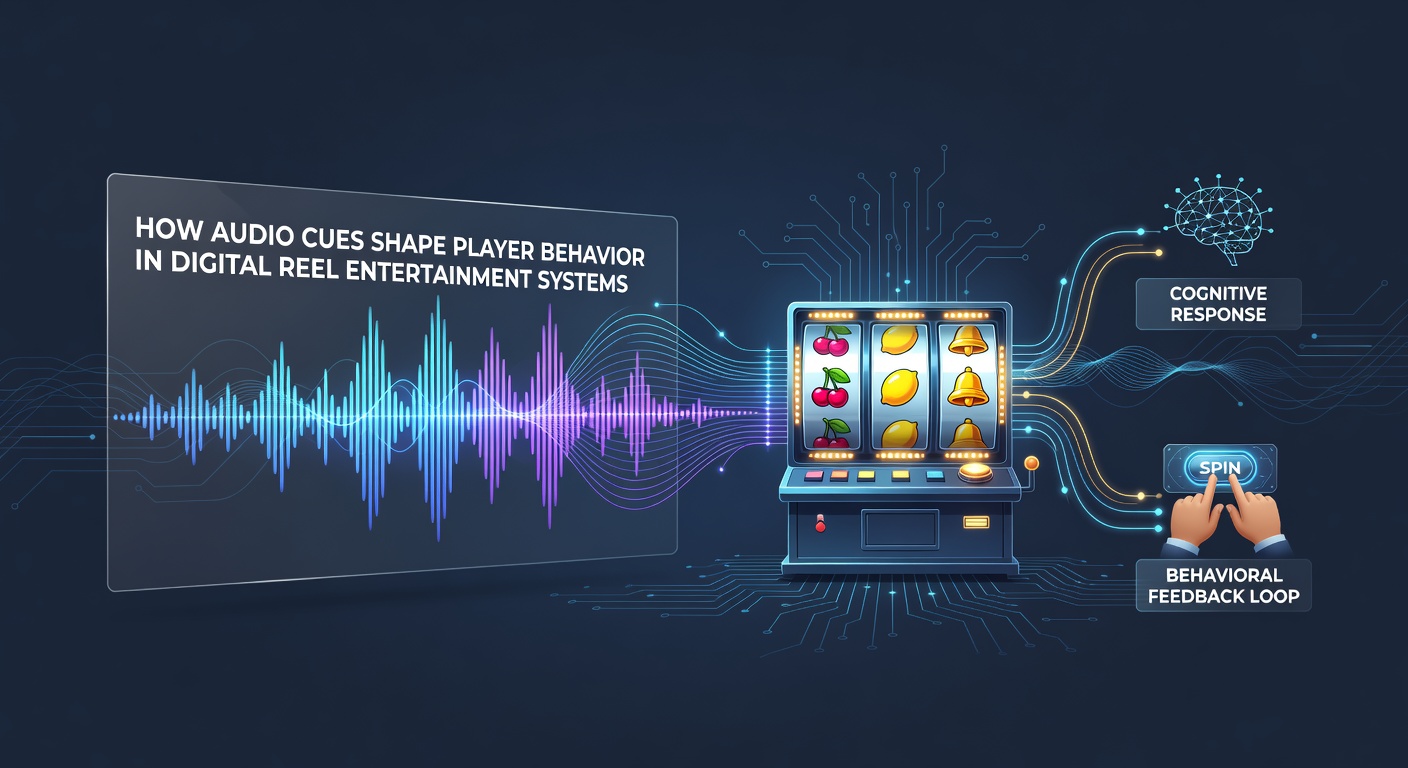
Audio cues in digital reel entertainment systems have evolved into sophisticated tools that guide session length, bet sizing, and overall engagement patterns across mobile and desktop platforms. Developers integrate layered sound design elements including win chimes, near-miss tones, ambient loops, and escalating musical builds that respond dynamically to player inputs and outcomes. Research from multiple jurisdictions indicates these auditory signals can extend average play duration by measurable margins when calibrated to specific frequencies and tempos.
Sound engineers working on reel-based titles often layer high-frequency celebratory effects over base game tracks to create contrast that registers immediately with players. Lower-frequency rumbles accompany larger wins or feature triggers while subtle clicks mark each reel stop. Data collected by platform operators shows players respond to these layered signals by increasing spin rates during sequences that feature rising audio intensity.
Core Audio Components in Modern Reel Systems
Three primary categories dominate current implementations: positive reinforcement sounds, tension-building cues, and ambient environmental audio. Positive reinforcement includes short melodic bursts that accompany credit additions while tension elements feature rising pitch sequences during bonus rounds or near-miss events. Ambient layers maintain consistent low-level presence that fills silence between spins without drawing direct attention.
Studies conducted by the Canadian Centre on Substance Use and Addiction have tracked how specific decibel ranges correlate with changes in bet adjustment frequency. Participants exposed to win sounds pitched between 800 and 1200 hertz demonstrated higher rates of continued play compared with control groups hearing neutral tones. Similar patterns emerged in testing environments across several North American jurisdictions during controlled observation periods.
Behavioral Patterns Linked to Specific Cues
Near-miss audio designs often employ shortened reel-stop sounds followed by a brief rising tone that stops short of resolution. This combination appears in numerous titles released since 2023 and has been associated with increased spin velocity in session logs analyzed by independent researchers. Players frequently maintain consistent bet levels during these sequences rather than reducing stakes after losses.
Escalating musical phrases that build across consecutive spins encourage players to remain in sessions longer according to aggregated telemetry from major content providers. One analysis of European platform data released in early 2025 revealed average session times increased when background tracks incorporated gradual tempo acceleration tied to consecutive non-winning spins. The same report noted corresponding rises in total wagers placed during those extended periods.

June 2026 brought new reporting requirements from the Nevada Gaming Control Board that mandate disclosure of audio asset specifications for all new titles submitted for approval. Operators must now include frequency ranges, duration parameters, and trigger conditions for every sound element. Early submissions under these rules show increased use of adaptive audio systems that adjust volume and layering based on real-time player activity metrics.
University of Sydney researchers published findings in May 2026 that examined how cultural familiarity with certain musical motifs influences response rates among players from different regions. Titles incorporating regionally recognized musical phrases recorded higher engagement metrics in localized markets compared with generic sound libraries. These results have prompted several developers to commission custom audio tracks for specific geographic deployments.
Platform Variations and Implementation Differences
Mobile implementations face additional constraints around device speaker capabilities and user-controlled volume settings. Many operators now include optional haptic feedback paired with audio events to compensate for lower-fidelity playback on handheld devices. Desktop versions typically deliver richer stereo separation and higher bit-rate audio streams that allow more nuanced layering of simultaneous sound elements.
Live dealer integrations with reel-based side games have introduced hybrid audio approaches where table sounds blend with digital reel effects. Regulatory filings from multiple Australian states show these combined systems require separate approval pathways because they combine physical environment audio with synthetic reel cues. Testing protocols now include measurements of cross-channel interference and player attention distribution across both audio sources.
Measurement and Optimization Practices
Operators rely on A/B testing frameworks that isolate individual audio variables while holding visual and mathematical elements constant. Session telemetry captures spin frequency, bet size adjustments, and voluntary exit points under different audio conditions. Results feed back into iterative updates that refine cue timing and intensity without altering core game mathematics.
Third-party testing laboratories increasingly incorporate audio analysis into their certification processes. These evaluations verify that sound triggers align with documented mathematical probabilities and do not create misleading impressions of frequency or payout potential. Several jurisdictions now require audio specifications to accompany RNG certification documentation.
Conclusion
Audio cue design in digital reel systems continues to evolve alongside regulatory frameworks and player behavior analytics. The interplay between sound elements, session metrics, and platform constraints shapes how operators approach content updates and market-specific customizations. Ongoing data collection from multiple regulatory regions provides the foundation for understanding these relationships without relying on subjective interpretation.