From Gyroscope to Jackpot: Sensor Data's Role in Shaping Portable Game Dynamics
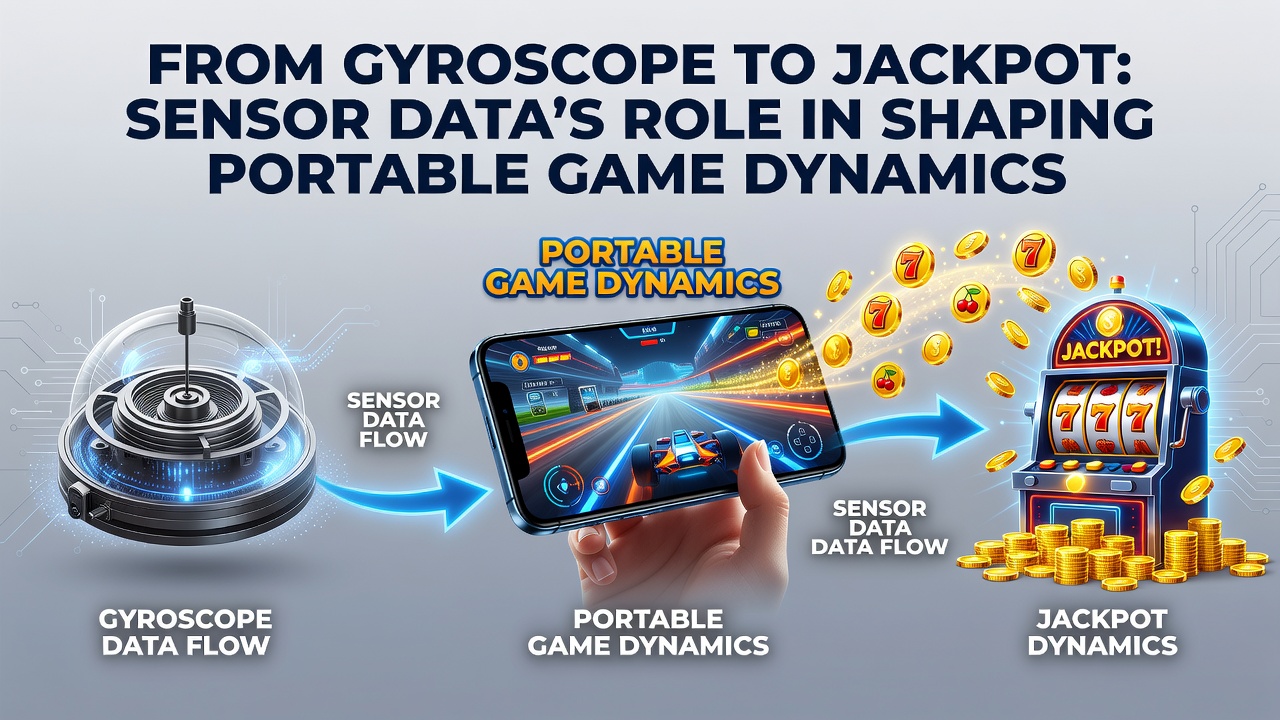
Portable gaming platforms have incorporated sensor technologies that convert physical device movements into in-game actions, and developers continue to refine these systems for titles that include progressive jackpot features. Gyroscopes measure angular velocity while accelerometers track linear acceleration, allowing games to respond to tilts, shakes, and rotations without requiring additional hardware beyond standard smartphone components.
Sensor Integration in Mobile Gaming Hardware
Modern smartphones contain micro-electro-mechanical systems that capture orientation data at high sampling rates, and game engines process these inputs to adjust reel spins or bonus triggers in real time. In June 2026 several platform providers updated their software development kits to improve latency between sensor readings and visual feedback, which reduced input lag during live sessions across multiple device models. Data from device manufacturers shows that over 85 percent of flagship handsets released after 2024 include at least six-axis inertial measurement units capable of supporting such interactions.
Observers note that these components operate continuously in the background, collecting orientation vectors that game logic maps to specific mechanics such as reel nudges or multiplier activations. When a player rotates the device, the gyroscope registers changes in pitch and yaw that the application translates into corresponding symbol movements on screen, creating a direct physical link between user motion and game state.
Mechanics Linking Motion Data to Game Outcomes
Portable titles that feature cascading reels or expanding wilds often tie sensor thresholds to probability modifiers, and developers calibrate these thresholds using aggregated usage statistics rather than individual session results. Research indicates that tilt-based bonus rounds appear in approximately 12 percent of current mobile progressive titles, according to figures released by the European Gaming and Amusement Association. The mapping process involves defining angular ranges that correspond to different payout tiers, with the system resetting neutral positions after each detected gesture to prevent unintended repeats.
Accelerometer spikes from rapid device movements can activate secondary features such as instant win overlays or additional free spin allocations, while sustained gyroscope stability maintains standard reel behavior. Studies from the University of Waterloo's Games Institute have examined how sampling frequency affects perceived responsiveness, revealing that rates above 100 hertz produce smoother transitions between motion states and static play modes.
Regional Regulatory Perspectives on Sensor Usage
Authorities in different jurisdictions have begun issuing guidance on the documentation required for sensor-driven features, and the Nevada Gaming Control Board updated its technical standards documentation in early 2026 to address motion input verification. These standards require that random number generators remain independent of sensor values, ensuring that physical movements influence only non-probability elements such as animation timing or user interface adjustments. Similar frameworks from the Alcohol and Gaming Commission of Ontario emphasize audit trails that log sensor calibration events without storing raw personal movement data beyond session duration.
Industry reports compiled by the Asia-Pacific Gaming Association highlight that adoption rates for motion-enabled jackpot games vary by market, with higher integration observed in regions where 5G network coverage supports consistent data synchronization between client devices and central servers. The synchronization ensures that sensor events align with server-side outcome generation, preventing desync issues that could otherwise disrupt progressive meter contributions.
Data Processing and Performance Metrics
Backend systems aggregate anonymized sensor event counts to refine gesture recognition algorithms, and machine learning models trained on these datasets improve detection accuracy across diverse device form factors. Figures from hardware testing facilities indicate that false positive rates for tilt recognition have declined from 7.2 percent in 2023 to 2.8 percent in the first half of 2026. Developers achieve this improvement through firmware updates that filter environmental noise such as vibrations from public transit or handheld walking motions.
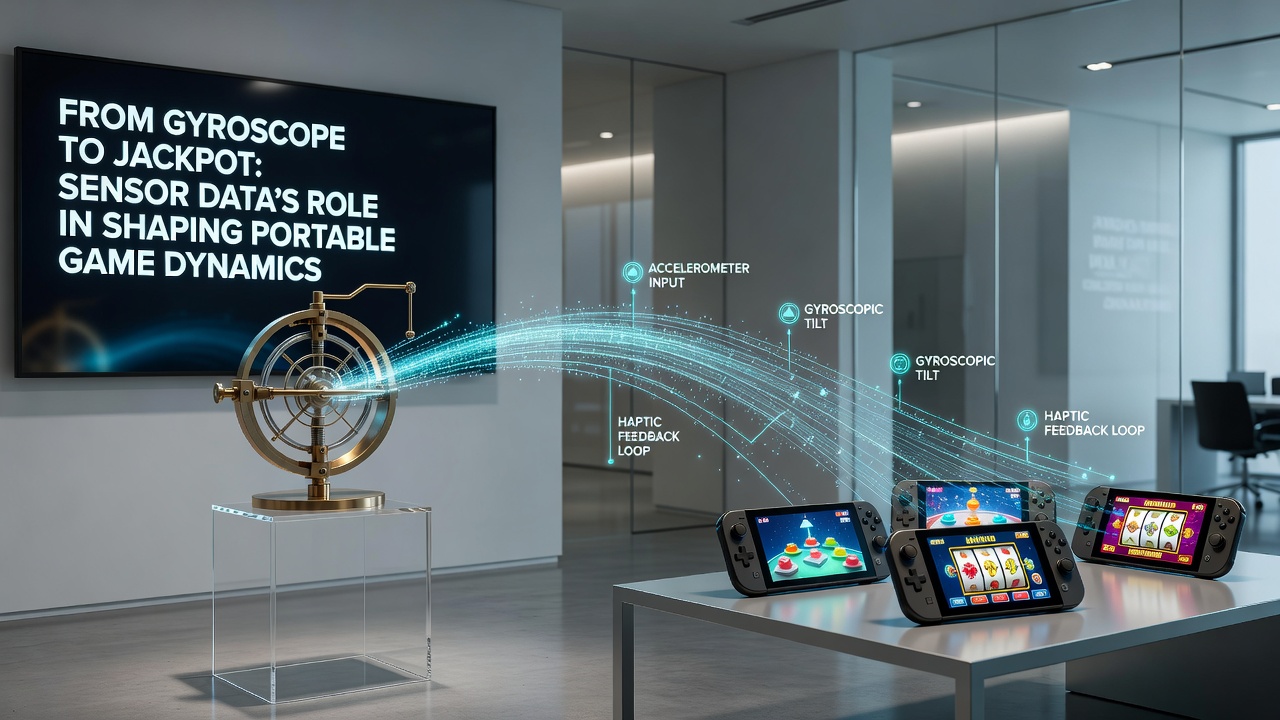
Game providers publish technical white papers that detail how sensor fusion combines gyroscope and accelerometer streams to produce a single orientation quaternion, and these quaternions feed directly into the animation pipeline. The resulting visual feedback gives players immediate confirmation that their physical actions registered within the game environment, which supports continued engagement during extended play sequences.
Future Sensor Applications in Portable Platforms
Additional sensors including magnetometers and barometers appear in select device models and may expand the range of detectable gestures available to game designers. Early implementations already allow compass-based direction changes to influence map navigation within certain adventure-style jackpot titles, while pressure readings from barometers could eventually modulate atmospheric effects in themed environments. Testing conducted by the Canadian Gaming Association suggests that cross-sensor validation reduces calibration drift over time, extending the reliable lifespan of motion features between device updates.
Platform operators continue to monitor network conditions that affect how quickly sensor data packets reach remote servers, since delayed transmissions can alter the timing of jackpot contributions even when local game logic executes correctly. Bandwidth allocation protocols introduced in mid-2026 prioritize these lightweight telemetry packets to maintain parity between physical device states and recorded session histories.
Conclusion
Sensor data has become an integral component of portable game architecture, converting device movements into interactive elements that complement traditional touch controls. The combination of gyroscope precision, accelerometer responsiveness, and refined processing pipelines enables developers to create layered mechanics that respond dynamically to player actions. Regulatory bodies across multiple regions maintain oversight to ensure these features operate within established technical boundaries, while ongoing hardware improvements support broader implementation in titles that include progressive jackpot structures. Continued refinement of sampling rates and fusion algorithms will likely expand the scope of motion-driven interactions available on future portable platforms.