Device Orientation Dynamics in Cross-Platform Reel Systems
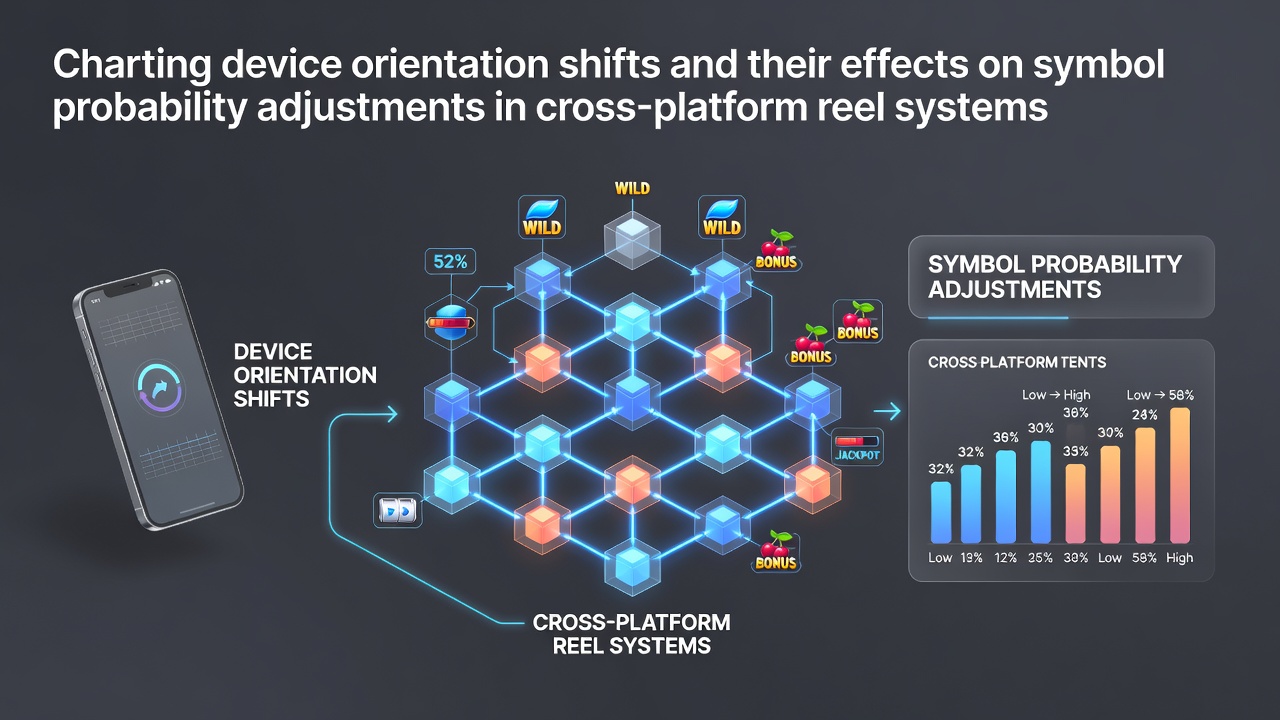
Device orientation shifts occur when players rotate their smartphones or tablets between portrait and landscape views, triggering sensors that detect changes through accelerometers and gyroscopes. Cross-platform reel systems respond by resizing reel layouts, adjusting symbol grids, and recalibrating visual displays to maintain consistent gameplay across mobile environments. Data from gaming platforms indicate these transitions happen frequently during sessions, with orientation changes logged in real time to support seamless user experiences.
Sensor Integration and Reel Mechanics
Accelerometers capture tilt angles while gyroscopes track rotational velocity, feeding information directly into game engines that process orientation events within milliseconds. Reel systems then map these inputs to display parameters, expanding or contracting the visible symbol array depending on the detected mode. Research from technical reports shows that portrait mode typically presents fewer symbols per row compared to landscape configurations, which accommodate wider grids and additional paylines without altering core random number generator outputs.
Engineers program these adjustments through conditional logic that evaluates device state at the start of each spin cycle. The process ensures symbols remain proportionally spaced while preserving alignment rules across both orientations. Observers note that synchronization between sensor data and reel rendering prevents visual glitches that could disrupt play sequences on aggregated platforms serving multiple device types.
Symbol Probability Calibration Processes
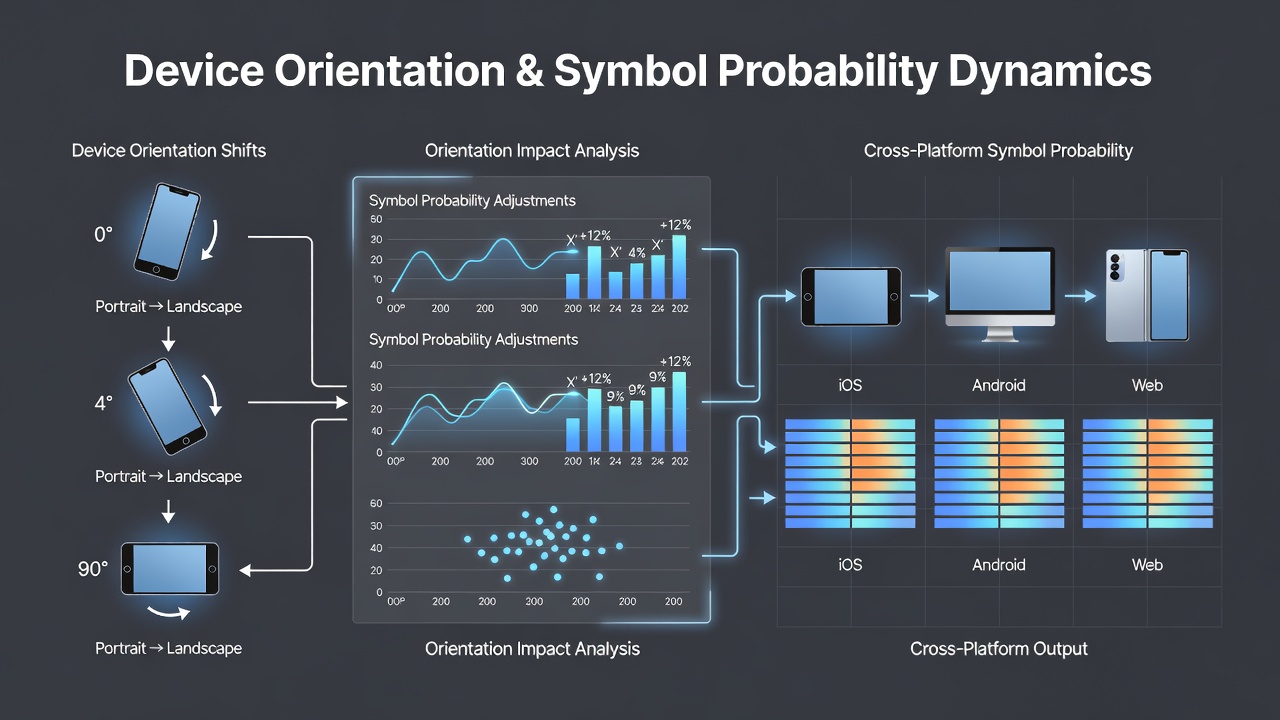
Probability adjustments tied to orientation changes involve backend algorithms that scale symbol weights to uphold theoretical return-to-player percentages regardless of display mode. When a device switches from portrait to landscape, the system may redistribute virtual reel stops or modify hit frequencies for specific symbols to balance the expanded grid layout. Figures from industry analyses reveal these recalibrations occur server-side, keeping client-side RNG outputs independent while enforcing fairness parameters set during game certification.
Studies conducted on multi-provider aggregators demonstrate that orientation-driven recalibrations maintain statistical consistency over large sample sizes, with deviation rates remaining below established regulatory thresholds. Platform operators log orientation events alongside spin results to verify that probability distributions align with certified models across sessions that span multiple device rotations.
Cross-Platform Implementation Patterns
Developers building reel systems for iOS, Android, and web-based environments standardize orientation handling through unified APIs that abstract hardware differences. These frameworks detect orientation at the application layer before passing data to the reel engine, allowing consistent probability mapping regardless of operating system variations. Reports from Canadian regulatory sources highlight that certified games undergo testing sequences that include repeated orientation toggles to confirm stable symbol distribution outcomes.
Platforms serving international markets incorporate region-specific display preferences, yet core probability engines remain uniform. In June 2026, updates to aggregation protocols introduced enhanced logging for orientation sequences, enabling operators to trace symbol alignment data across device ecosystems with greater precision.
Regulatory and Testing Frameworks
Certification bodies require documentation of orientation-related probability controls as part of standard game approval processes. The International Association of Gaming Advisors outlines testing methodologies that simulate orientation shifts during compliance evaluations. Australian oversight agencies similarly mandate verification that reel outcomes stay independent of display mode, ensuring players encounter equivalent statistical profiles whether using portrait or landscape views.
Testing laboratories execute thousands of automated spins while cycling device orientations to measure variance in symbol appearance rates. Results feed into audit trails that regulators review during renewal cycles, confirming that adjustments preserve certified return percentages without introducing exploitable patterns.
Data Logging and Performance Metrics
Analytics systems record orientation change frequency alongside spin outcomes, generating datasets that reveal patterns in player behavior across device types. These logs support diagnostic reviews when discrepancies appear between expected and observed symbol distributions. Platform reports indicate that sessions with high orientation shift counts show no measurable impact on overall RTP when calibration protocols function as designed.
Engineers use these metrics to refine transition timing, minimizing latency between sensor detection and reel update. Aggregators serving multiple game studios apply standardized event schemas that tag orientation data uniformly, simplifying cross-platform performance comparisons.
Conclusion
Device orientation management in cross-platform reel systems centers on sensor-driven display adaptation paired with probability controls that preserve certified fairness standards. Technical implementations rely on real-time data flows from device hardware to game servers, while regulatory frameworks enforce consistent outcomes through structured testing. As mobile gaming environments continue evolving, orientation handling remains a core element of reel system architecture across providers and jurisdictions.