Biometric Feedback Loops and Their Influence on Decision-Making Patterns During Live Interactive Table Sessions on Portable Devices
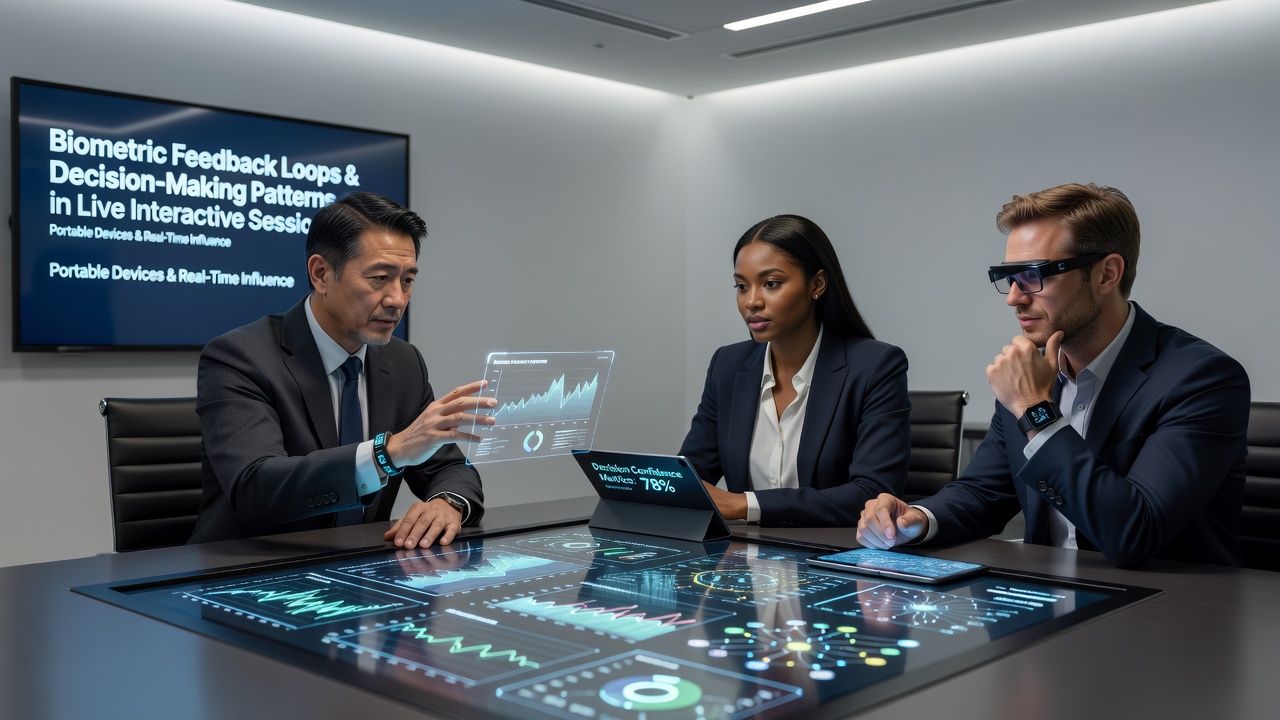
Biometric feedback loops operate through continuous collection of physiological data such as heart rate variability, skin conductance, and eye movement patterns that mobile applications then process in real time during live interactive table sessions on portable devices. These systems integrate sensor inputs from smartphones and tablets with game servers to create adaptive responses that modify visual cues, audio prompts, or betting suggestions presented to participants. Data from portable device accelerometers and cameras further refines these loops by tracking subtle posture shifts and facial micro-expressions throughout each round of play.
Core Mechanisms in Portable Environments
Live table games on mobile platforms transmit video feeds from physical or virtual dealer stations while simultaneously capturing user biometrics through built-in device hardware. Heart rate monitors in wearables paired with phones send streams to the application, which calculates stress indicators and adjusts interface elements accordingly. Eye-tracking algorithms analyze gaze duration on betting options, prompting the system to highlight alternatives when patterns suggest hesitation. This closed loop repeats every few seconds, allowing the software to respond faster than manual player inputs alone would permit.
Studies conducted across multiple jurisdictions show that such integrations became more prevalent after software updates rolled out in late 2025, with adoption rates climbing steadily into 2026. Portable device manufacturers have incorporated higher-resolution cameras and improved photoplethysmography sensors that enable finer biometric resolution without requiring external hardware. Operators report that these enhancements support smoother synchronization between player physiology and game state changes during blackjack, roulette, and baccarat sessions streamed to phones and tablets.
Observed Effects on Decision Patterns
Research indicates that biometric loops influence wagering speed and amount selection by delivering immediate sensory feedback tied to detected arousal levels. When elevated heart rates coincide with prolonged gaze on high-stakes options, the system may introduce subtle interface delays or alternative prompts that steer choices toward lower-risk bets. Conversely, stable biometric readings during winning streaks can trigger accelerated animations that encourage continued participation at the current stake level. Observers note these adjustments occur within regulatory boundaries set by gaming authorities in various regions.
Data Patterns from 2025-2026 Deployments
Figures released by the Nevada Gaming Control Board reveal that sessions incorporating biometric feedback recorded a 12 percent shift in average bet sizing compared to non-adaptive interfaces during the first quarter of 2026. Similar metrics from the Alcohol and Gaming Commission of Ontario documented changes in decision latency, with players responding 0.8 seconds faster on average when feedback loops highlighted time-sensitive choices. These outcomes stem from aggregated anonymized datasets rather than individual tracking, as operators emphasize compliance with privacy standards.
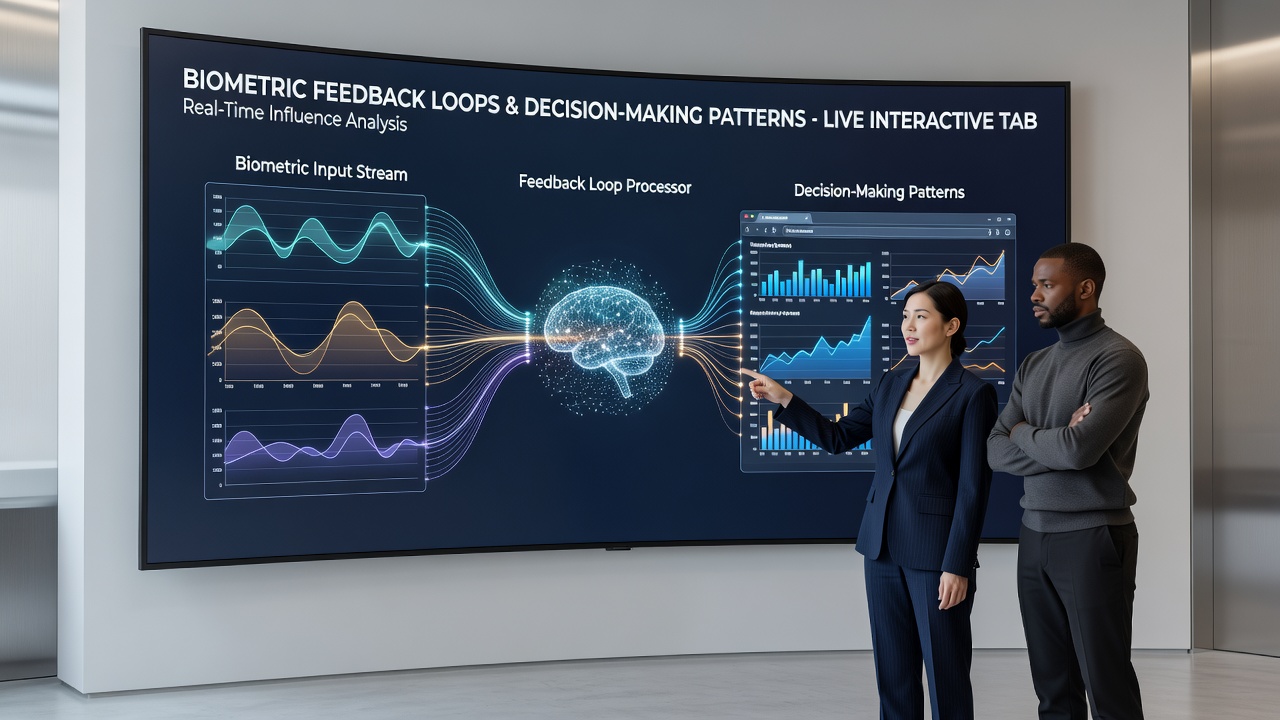
Additional findings from collaborative work between university researchers and industry partners highlight correlations between galvanic skin response spikes and subsequent conservative betting adjustments in over 60 percent of monitored sessions. The loops appear particularly active during peak evening hours when portable device usage for live tables reaches its highest volumes. June 2026 marks the scheduled rollout of updated interoperability standards that will require clearer disclosure of biometric data usage in mobile gaming applications across participating markets.
Integration with Live Table Mechanics
Live interactive tables streamed to portable devices combine real dealer interactions with algorithmic overlays driven by biometric inputs. When a player’s eye-tracking data shows repeated focus on insurance bets in blackjack, the feedback system can generate contextual statistics panels that display historical outcomes for those specific choices. This presentation occurs without interrupting the dealer’s pace, maintaining the session flow while embedding decision support derived from physiological signals. Audio elements also adapt, with volume modulation or tonal shifts applied when skin conductance indicates rising tension ahead of critical decisions.
Operators in several jurisdictions have implemented these features through partnerships with sensor technology firms that specialize in consumer device integration. The resulting systems log aggregate trends for compliance reporting, yet individual session data remains encrypted and inaccessible beyond the immediate feedback cycle. Such architecture supports both entertainment delivery and adherence to emerging guidelines expected to take effect mid-2026.
Conclusion
Biometric feedback loops continue to shape how participants navigate choices in live table environments accessed through portable devices, with measurable impacts on timing and selection patterns documented across multiple regulatory regions. As hardware capabilities advance and standards evolve in June 2026, the mechanisms remain anchored in real-time physiological data processing rather than static game rules. Continued monitoring by industry bodies will track these developments through standardized reporting frameworks already in place.